STRETCH COLLECTION
STRETCH COLLECTION
Shop now


Are you 18 years old or older?
Sorry, the content of this store can't be seen by a younger audience. Come back when you're older.

金刚生态、加拿大pc28王者集团、 His Place、加拿大pc28王者集团 、加拿大pc28王者信用盘、 加拿大pc28王者信用、 羊毛西装、金刚生态开奖官网体彩-金刚国际生态、弹力西装、时尚西装、修身西装、经典西装、西装套装拆分;西装外套、羊毛西装外套、T.O.西装外套、弹力西装外套、功能性西装外套;西裤、弹力裤、休闲裤、羊毛裤、功能性长裤、运动裤;正装衬衫、免熨衬衫、T恤、POLO衫;风衣雨衣、针织衫、连帽卫衣;领带、皮带、袖扣;鞋履;礼品;金刚生态体彩官网-实时彩票结果-查询特惠专区。
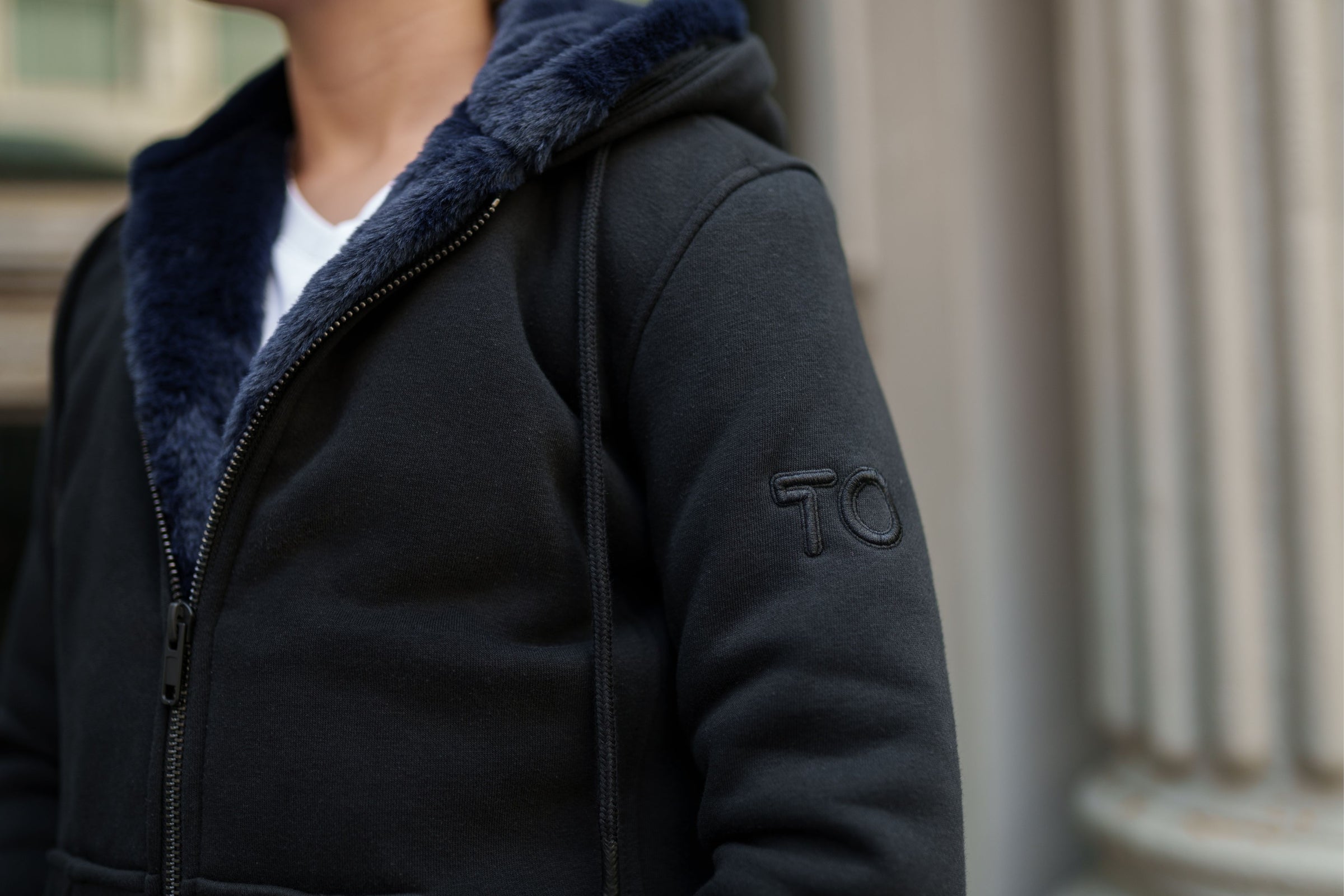
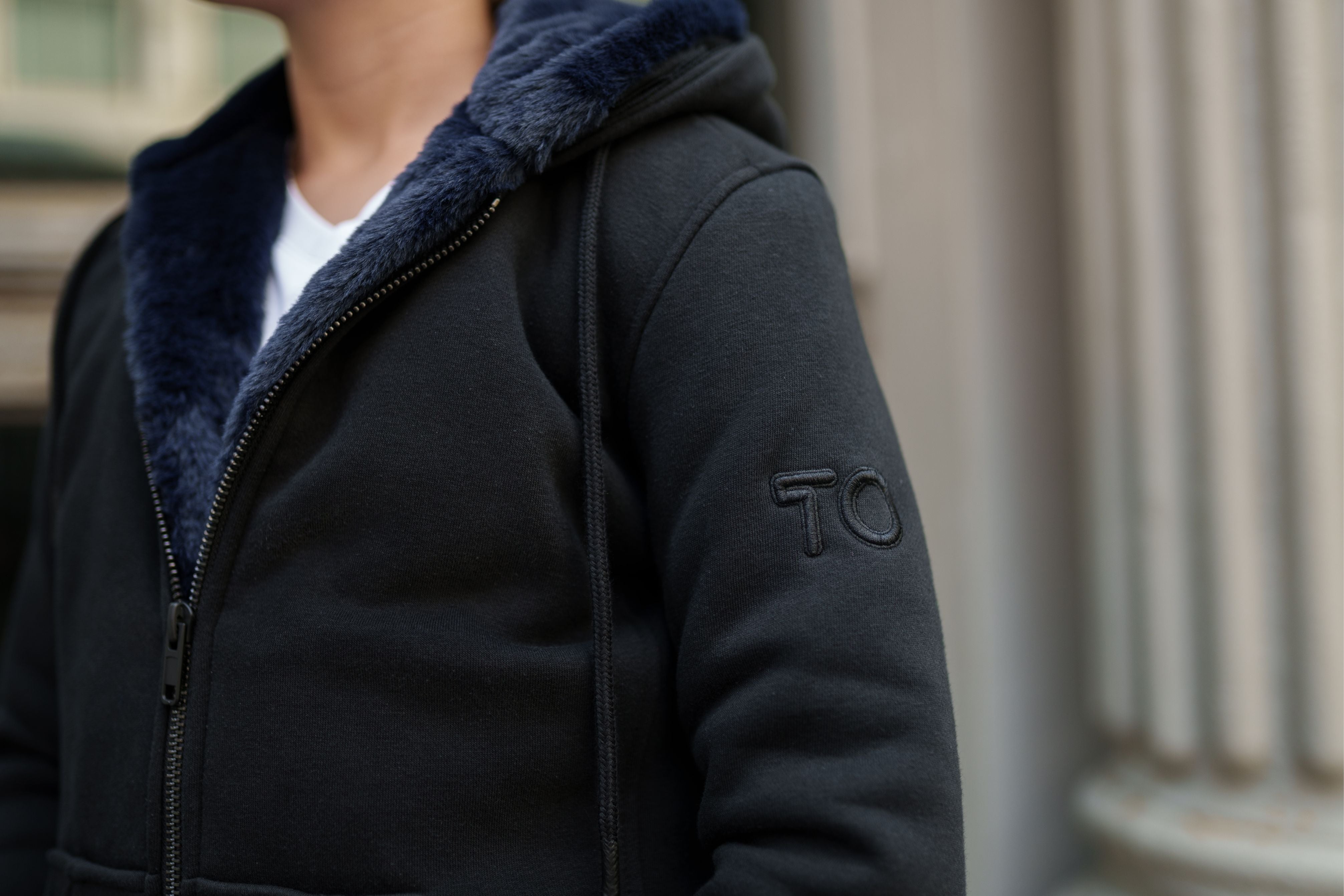
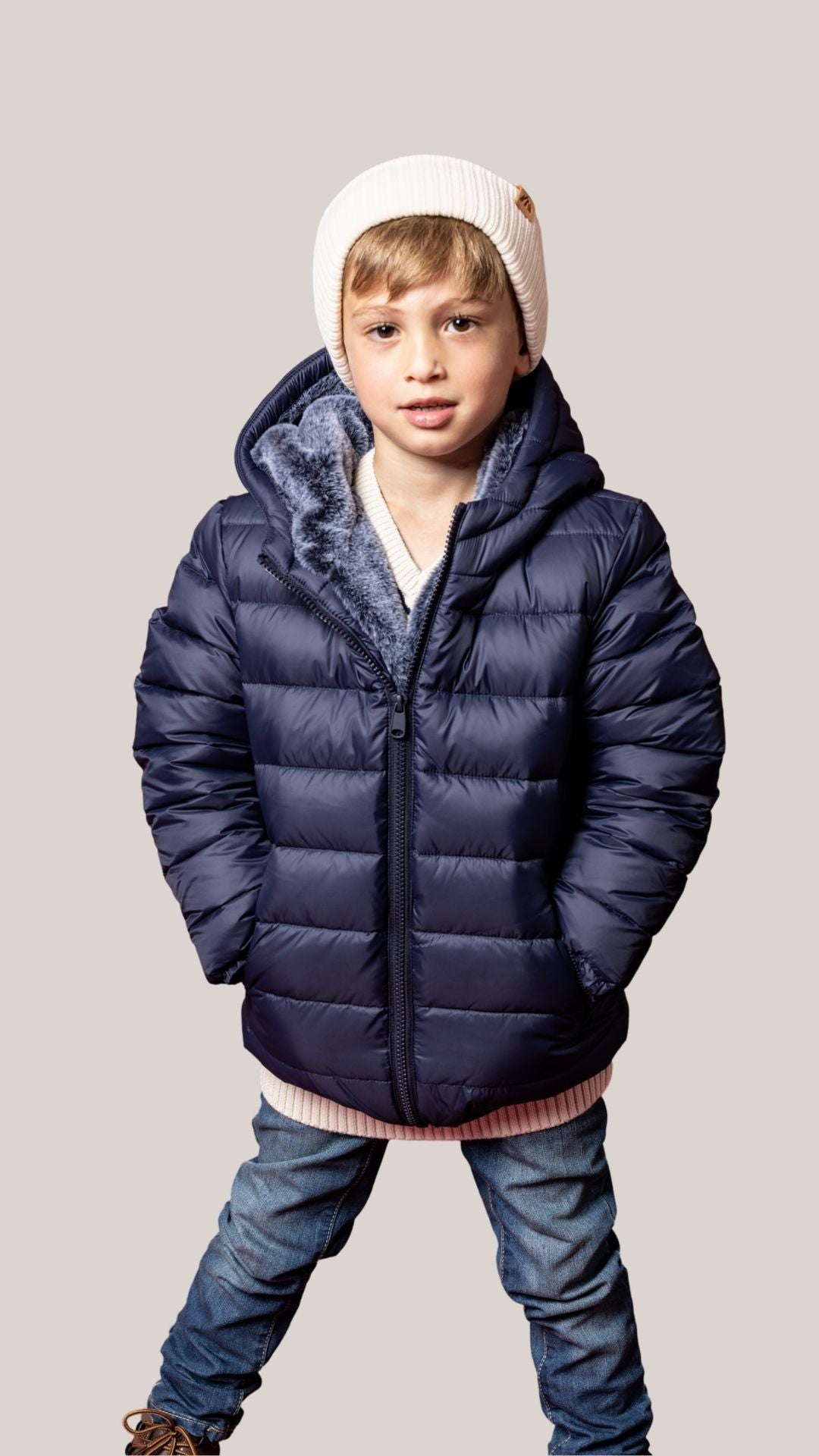
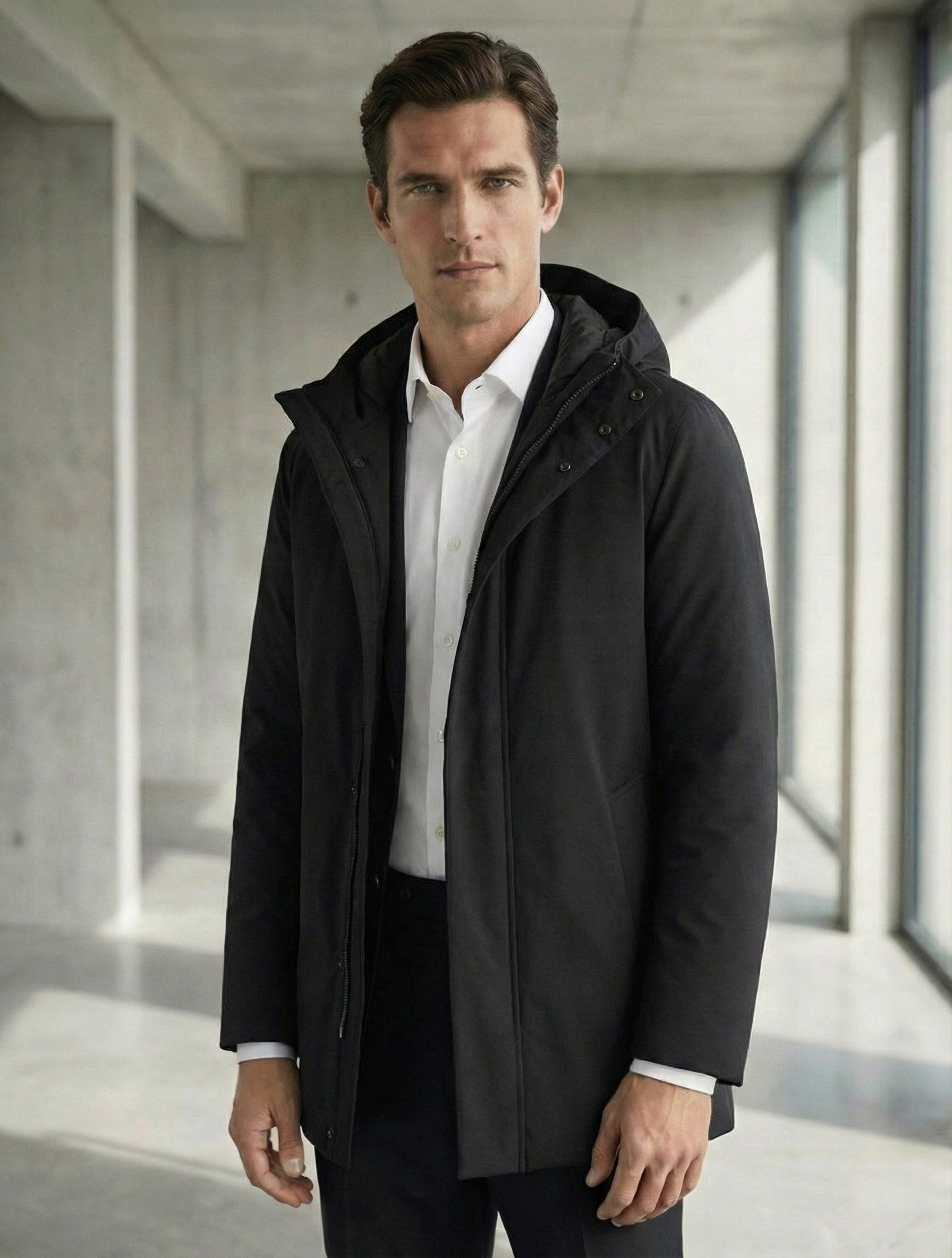
金刚KINGKONG刮刮乐 Designed 加拿大pc2.8咪牌qq群号 王者信用盘 for unbeatable comfort and warmth. Made with plush fleece lining, it’s super soft, ultra-cozy, and perfect for all-day wear. The faux-fur hood provides extra warmth, while the adjustable drawstring ensures the perfect fit. Get yours today and experience the perfect blend of cozy and cool!
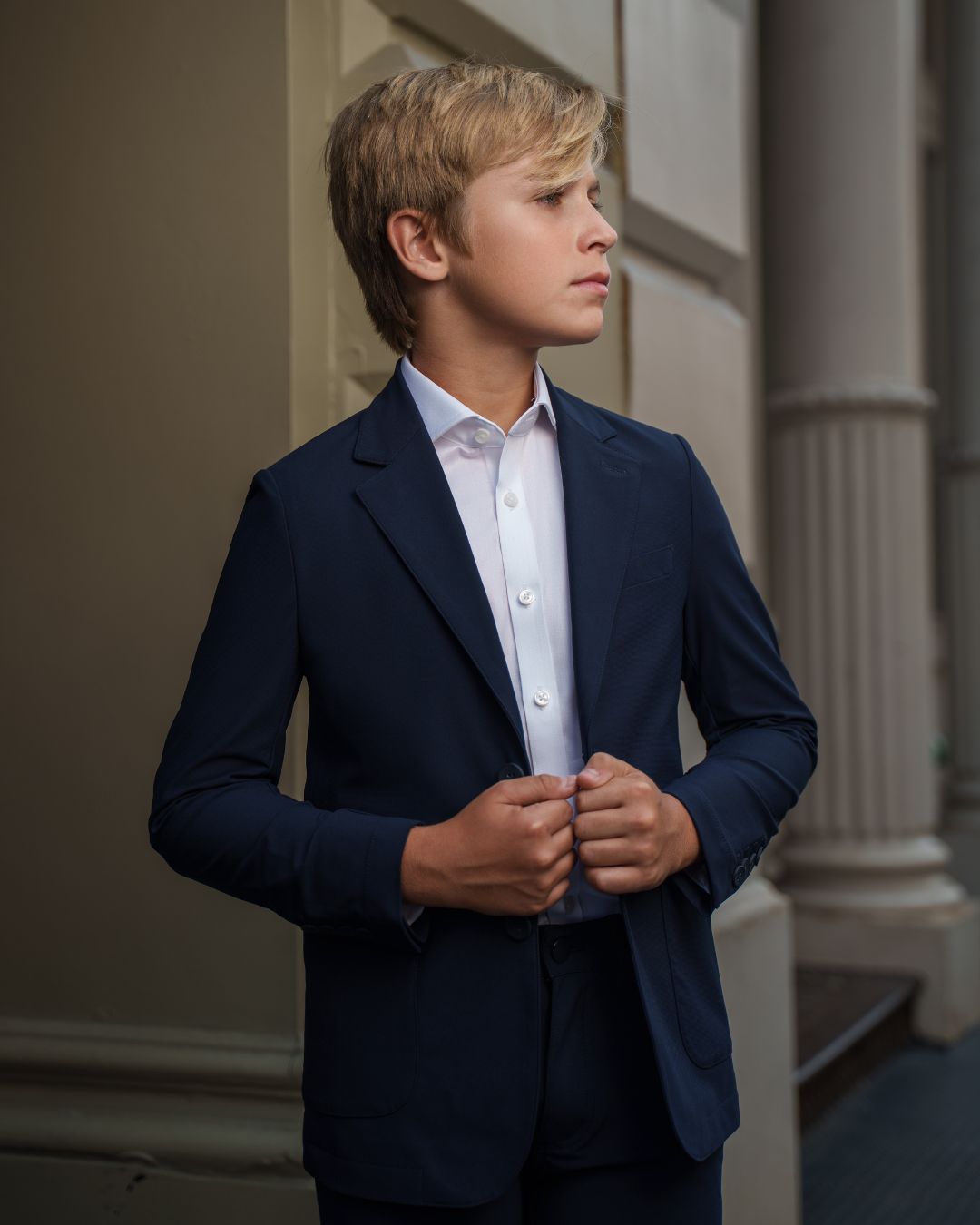
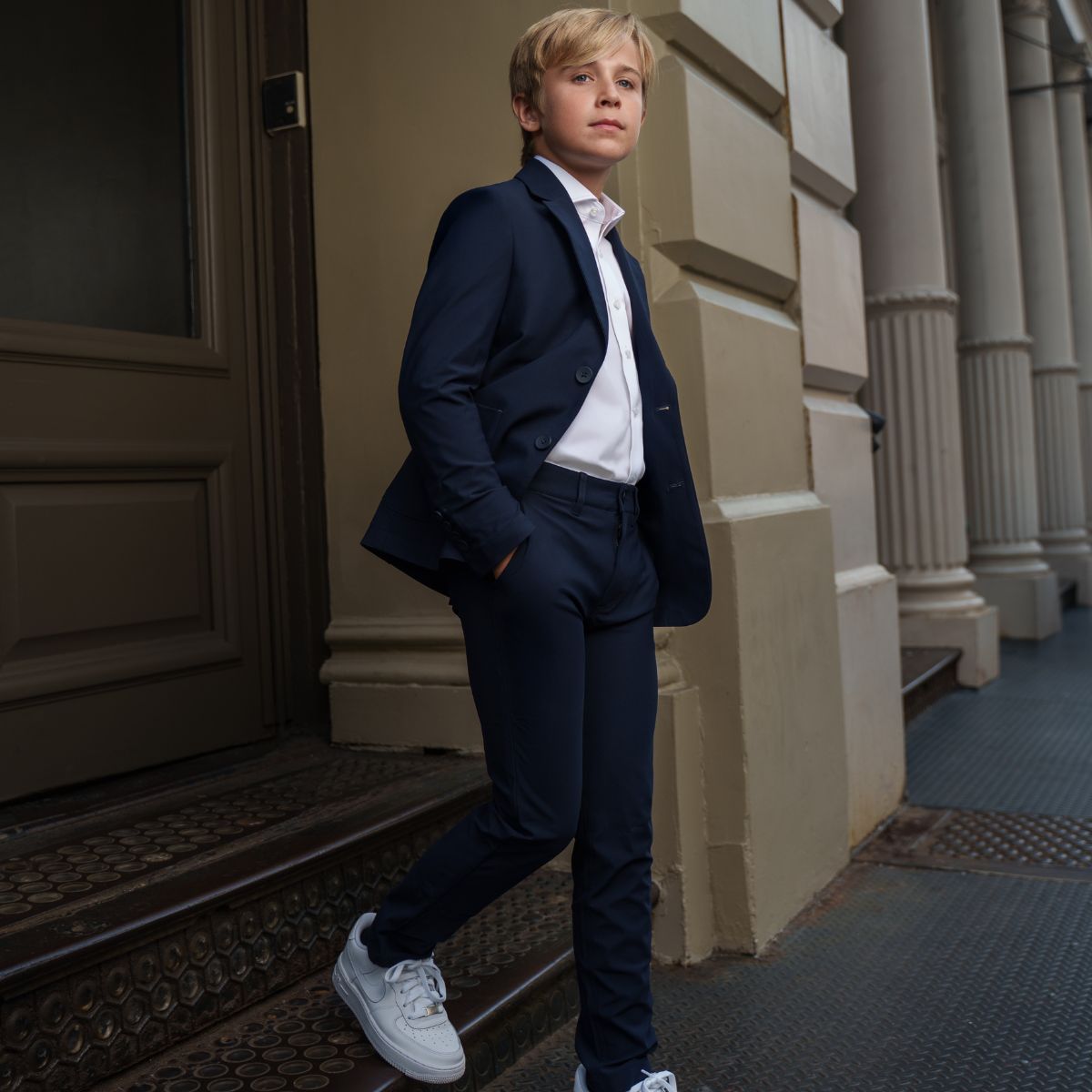
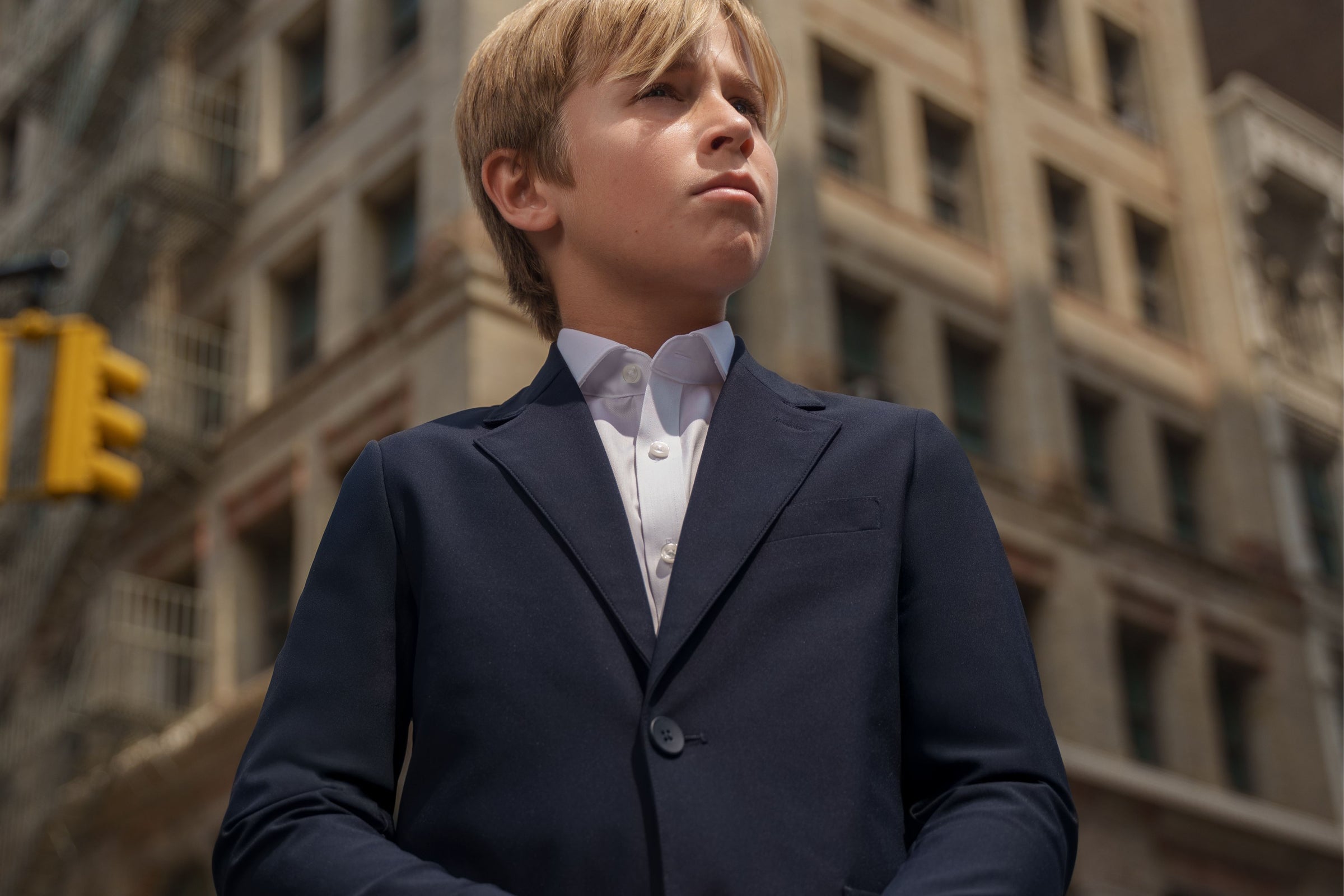
Elevate every occasion with our boys’ suits crafted in the finest wool and tech fabrics for lasting shape and comfort. Suits are perfect for Shabbos, weddings, Bar Mitzvahs, and special events. Our versatile boys’ suits ensure he looks—and feels—his best.
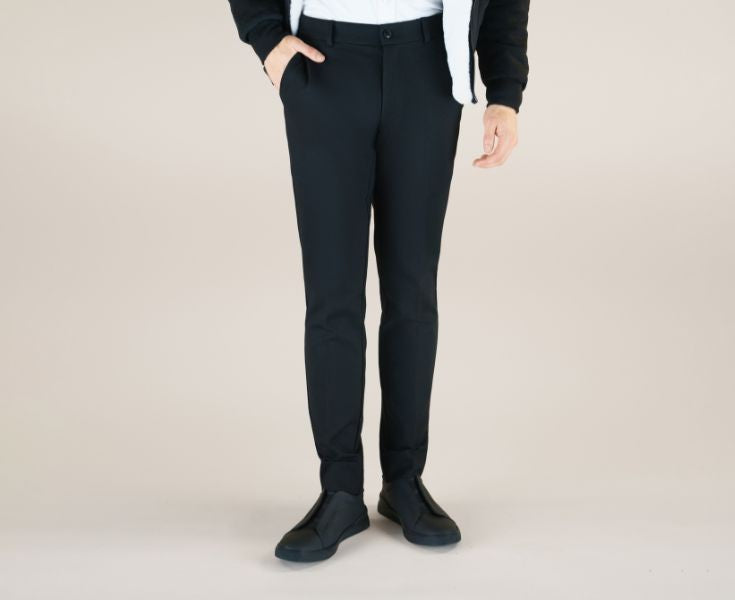
Discover the ultimate in boys’ pants at The His Place—designed for every day, yeshiva, Shabbos, Bar Mitzvah and beyond. From our fine wool dress pants in navy, black, grey and beige to performance pants, flex and TR styles with four‑way stretch, each pair delivers breathable comfort and sharp good looks. Urban‑ and Soho‑inspired designs come in slim, classic and husky fits, all with secure pockets and durable fabrics. Whether you need dress pants for special events or stretch‑ready performance pants for active days, you'll find the perfect pair to elevate his wardrobe.
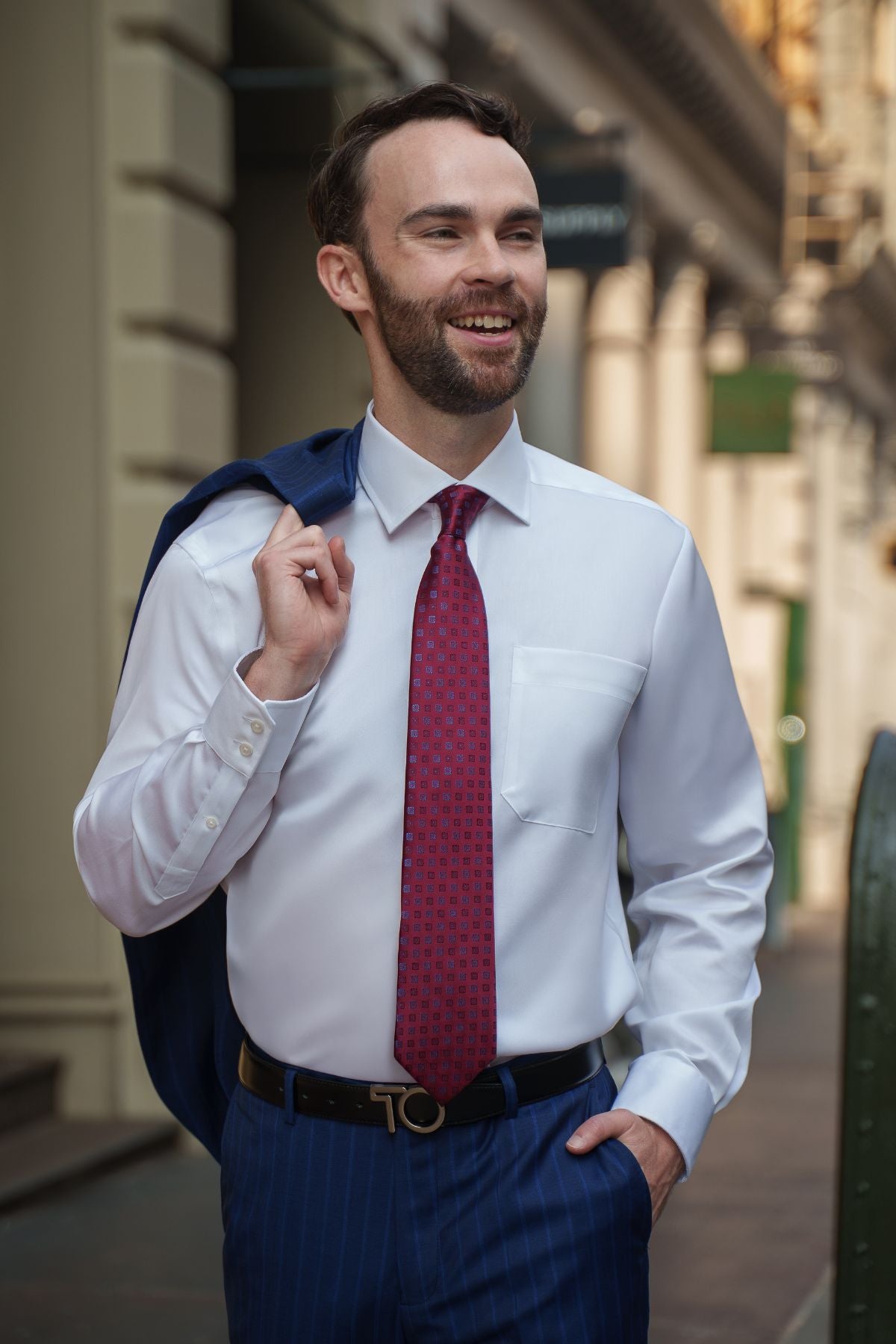
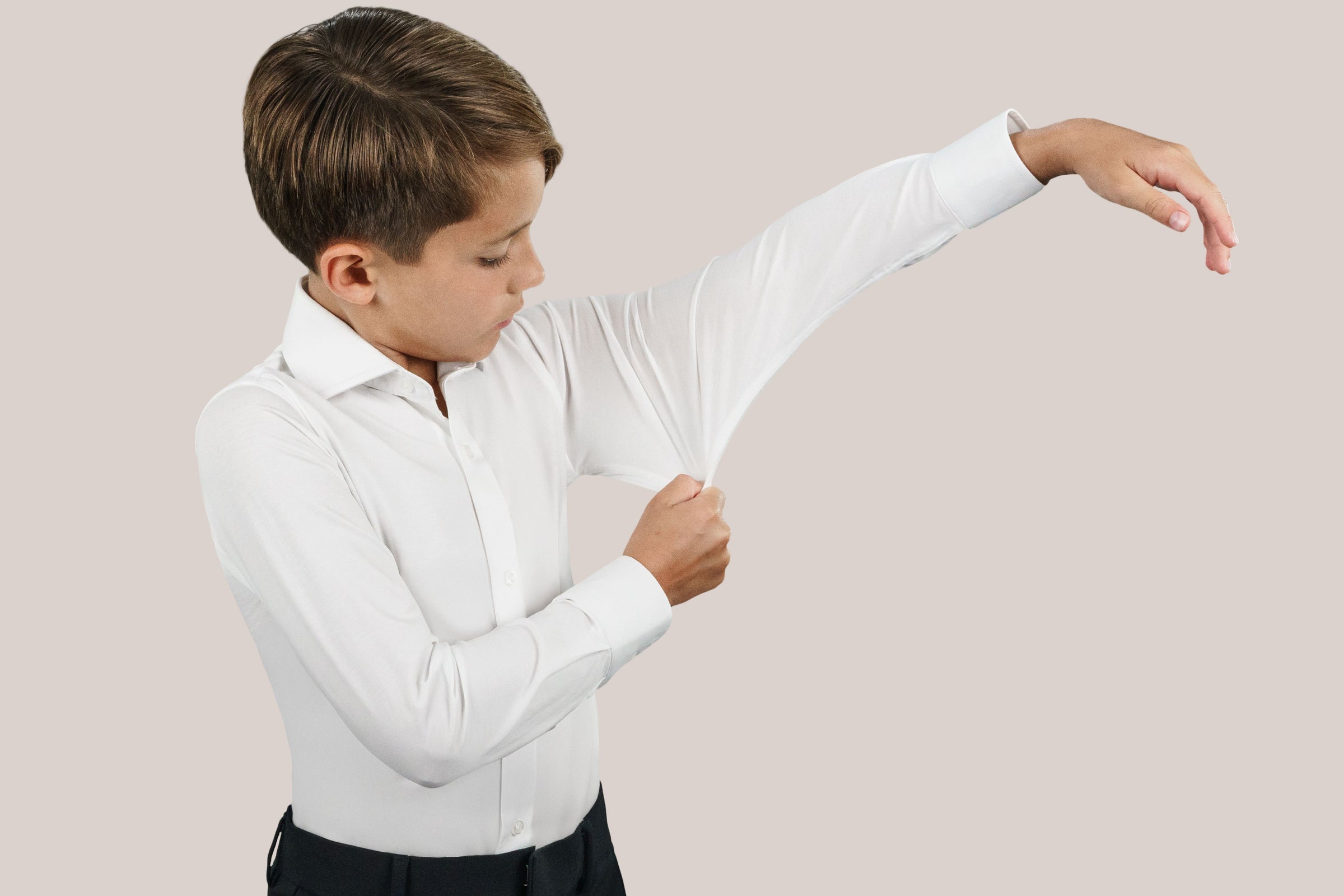
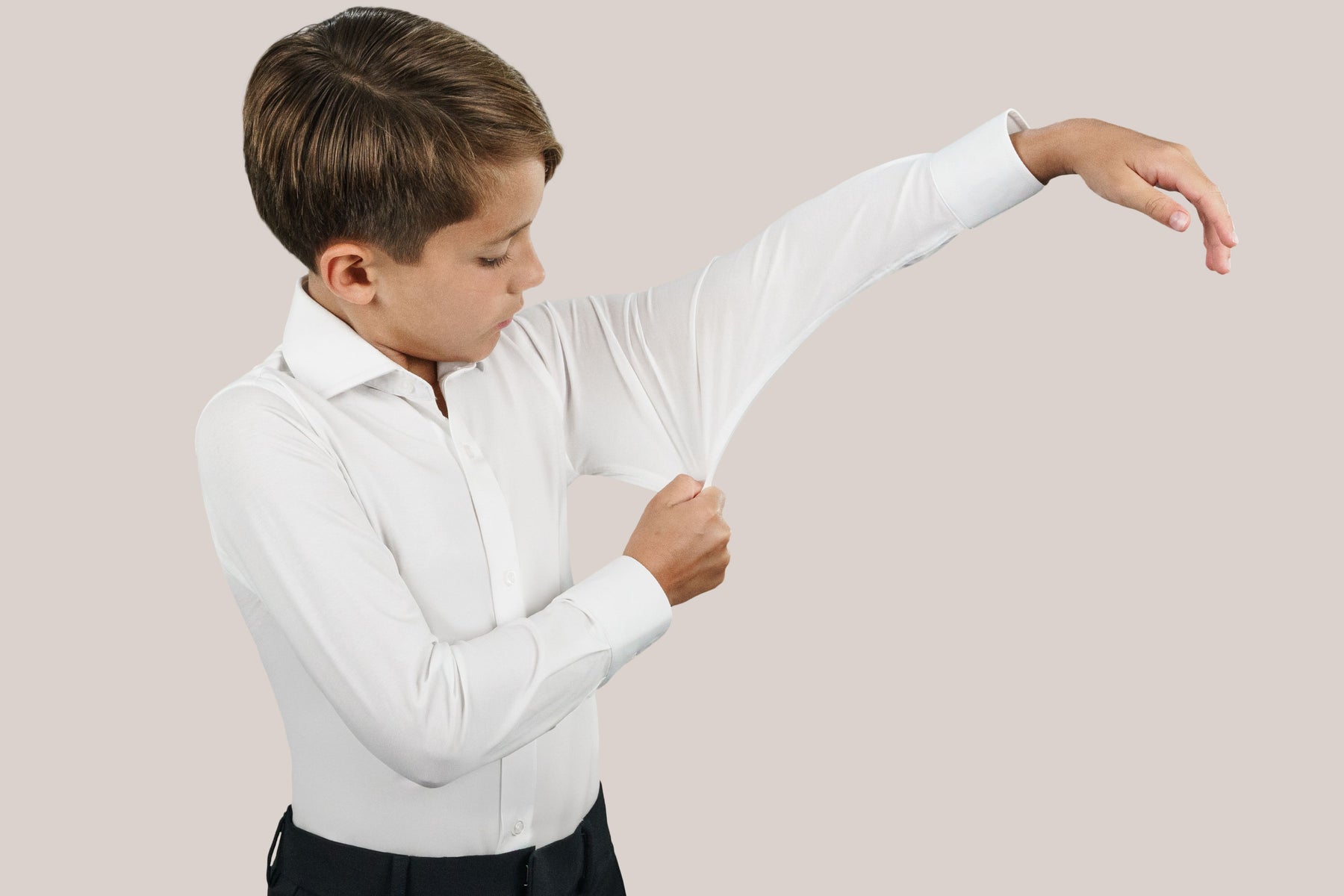
Crisp, cool, and feels like a dream. Made from ultra-breathable and premium non-iron and stretch fabrics cotton blends, these white dress shirts feel soft while keeping him looking polished all day long. it's the upgrade every outfit deserves. Available in long sleeve and short sleeve varieties, these shirts are perfect for Shabbos and all week long.
SPRING MUST HAVE
Slip into glove‑like comfort and seamless style, from street‑ready casual to sleek dressy.
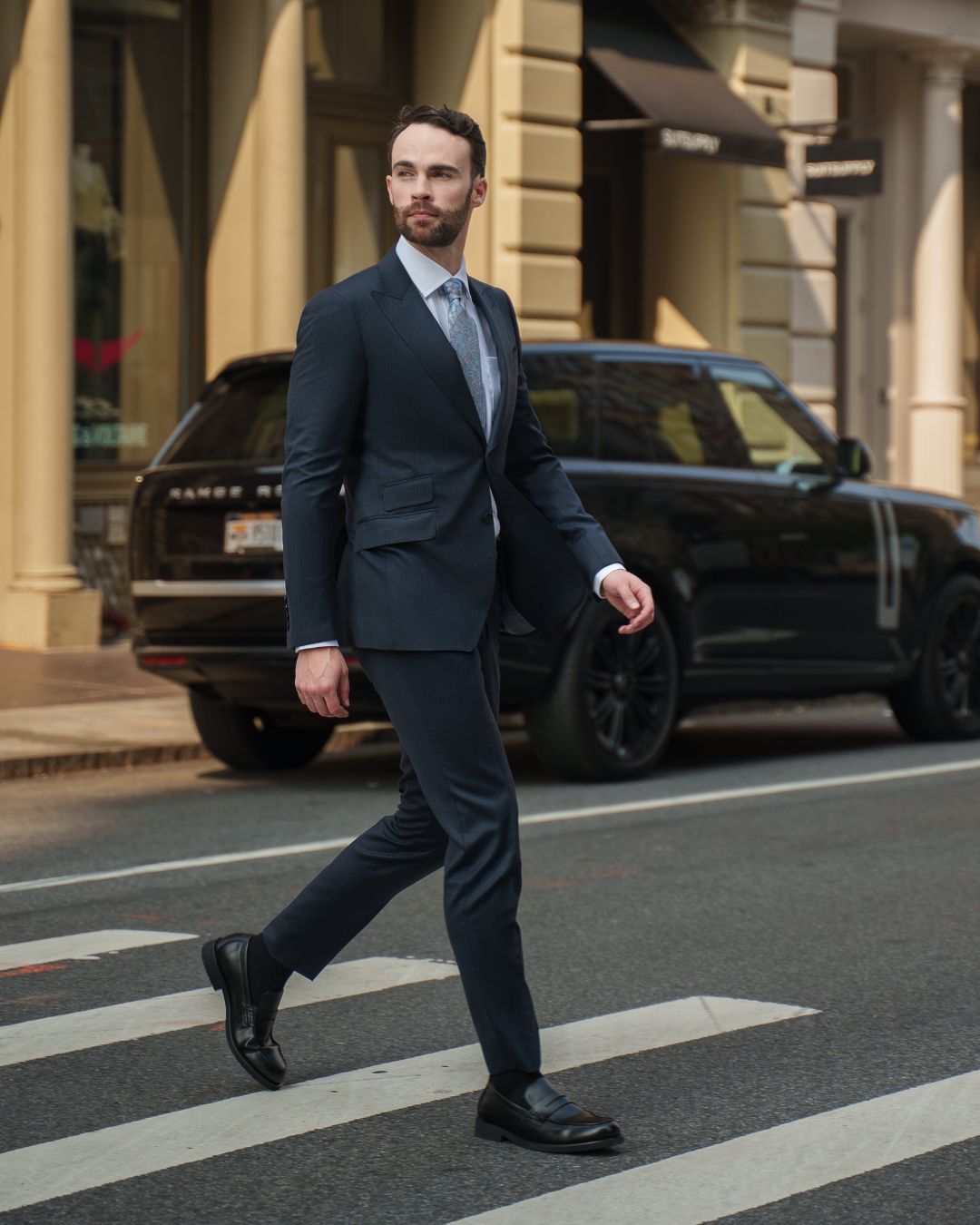
Sleek and striking, constructed from luxurious wool and maintaining a sophisticated finish.
check out our
*Mix & Match Sizes
*Stretchy, Comfy fabrics
*Extra Pants
*No more tailoring headaches
Once you go Performance,
you’ll never go back.
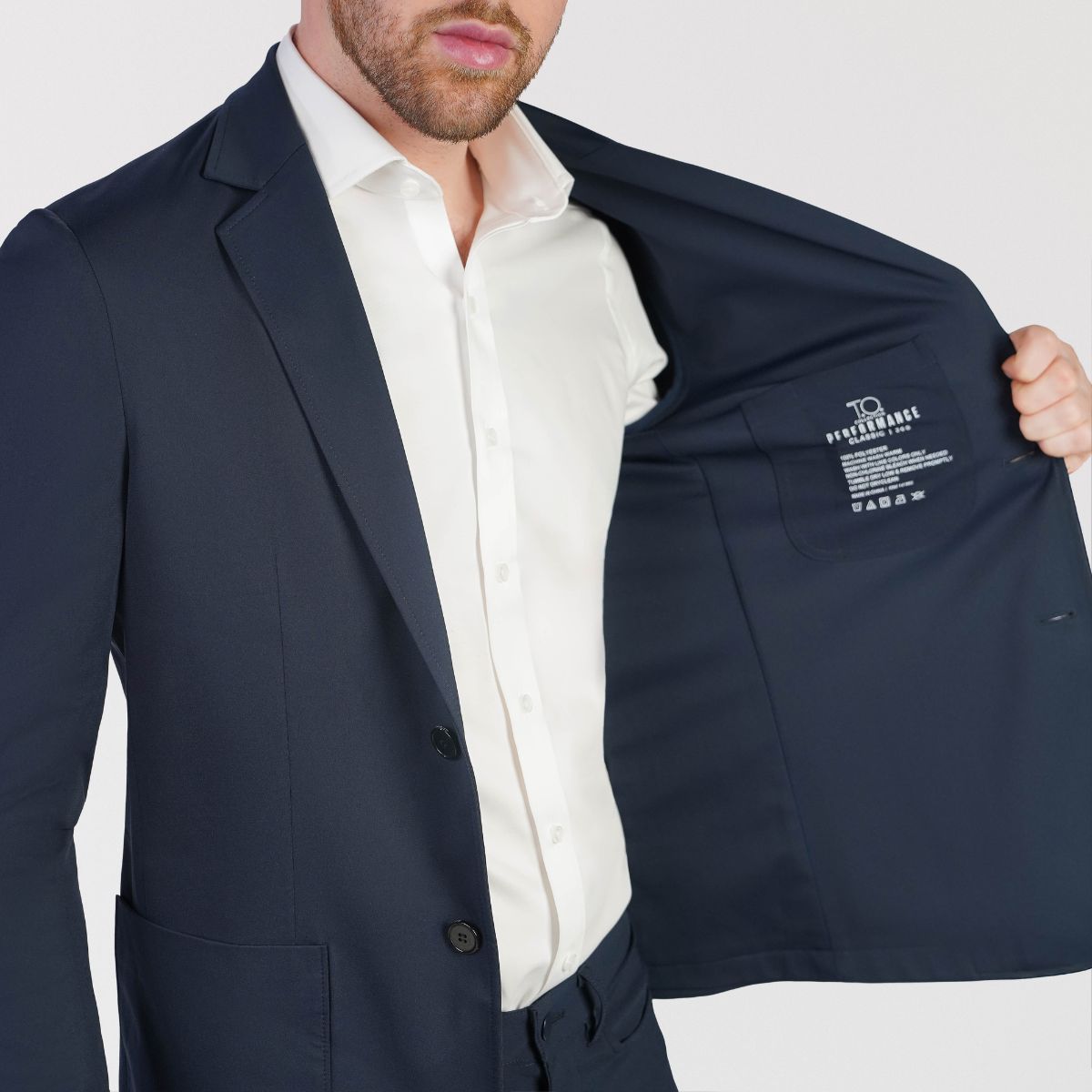
Looks like dress clothing, feels like activewear, every piece is designed with stretch fabric that moves with you, lightweight breathability,
and machine-washable ease.





At The His Place, we believe building your wardrobe should be effortless, so we’ve created a space where classic design meets everyday functionality. Our curated collection is designed for you. From bespoke suits to relaxed essentials, every piece is crafted with precision to complement your lifestyle, and combine classic elegance with today’s style. Our commitment doesn’t end with the perfect fit; we’re dedicated to helping you look your best. Whether you’re shopping for yourself, your husband or the little men in your life, we deliver quality, convenience, and timeless style in every stitch.